Natural Ways to Keep Mosquitoes at Bay: Eco‑Friendly Tactics That Work

Natural Ways to Keep Mosquitoes at Bay: Eco‑Friendly Tactics That Work If you prefer non-toxic approaches, there are many ways to reduce mosquito presence without using harsh chemicals. These methods are safe for children, pets, and pollinators. 1. Attract nature’s mosquito predatorsEncourage birds, bats, frogs, toads, and dragonflies by installing bird feeders, bat boxes, and

Beating the Heat: Summer Watering Tips for Fayetteville Gardens

Beating the Heat: Summer Watering Tips for Fayetteville Gardens Summers in Fayetteville are hot, humid, and sometimes unpredictable. If your plants could talk, they’d probably beg for a drink—strategically and consistently! Here are our top tips for keeping your garden hydrated and happy during the peak of summer. Water Early, Water Deep The best time

How to Water Newly Installed Plants During Spring and Summer in Fayetteville, NC

How to Water Newly Installed Plants During Spring and Summer in Fayetteville, NC Spring and summer in Fayetteville, NC, bring vibrant growth, blooming flowers, and the perfect weather for planting new plants in your garden. Whether you’ve added a few colorful flowers, shrubs, or trees to your landscape, one of the most critical aspects of

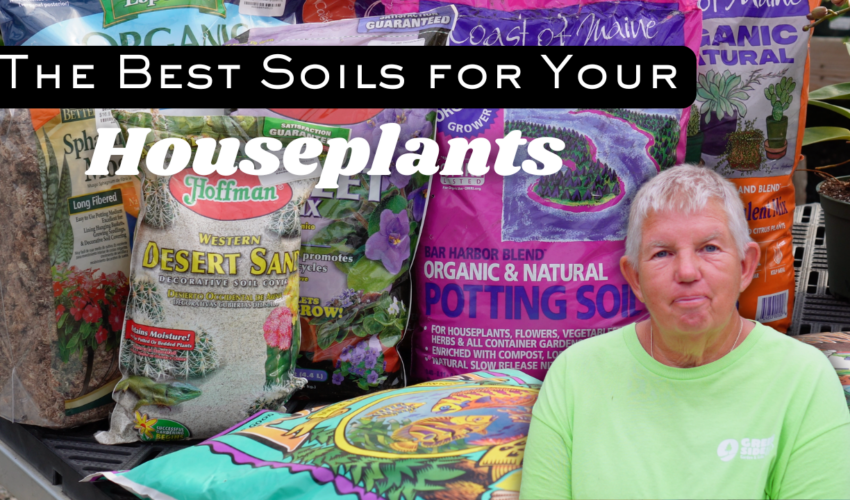
Houseplant Soils 101: Everything You Need to Know for Thriving Plants

Houseplant Soils 101: Everything You Need to Know for Thriving Plants Welcome to our Houseplant Soils 101 guide! If you’re a plant lover, you know that healthy soil is essential for the health and happiness of your houseplants. But with so many different soil types and mixes available, it can be tough to know which

March Gardening Tips for Fayetteville, NC: Preparing Your Garden for Spring

March Gardening Tips for Fayetteville, NC: Preparing Your Garden for Spring As the weather in Fayetteville, NC begins to warm up, it’s time to get your garden ready for the new season. March is a crucial month for planting, pruning, and preparing your garden for the growing season ahead. Whether you’re a seasoned gardener or

How to Grow Rhododendrons in Fayetteville, NC: A Complete Guide

How to Grow Rhododendrons in Fayetteville, NC: A Complete Guide Rhododendrons are a stunning addition to any garden, offering beautiful blooms that brighten up landscapes with their vibrant colors. If you’re in Fayetteville, NC, you’re in luck—rhododendrons thrive in our climate, provided you give them the right care and attention. Whether you’re planting them for

Houseplant Myths Debunked: Separating Fact from Fiction

Houseplant Myths Debunked: Separating Fact from Fiction Caring for houseplants can be incredibly rewarding, but with so much advice floating around, it’s easy to get overwhelmed by conflicting information. As you start building your indoor garden, you may have encountered a few myths that sound reasonable at first but can actually harm your plants. We’re

February Garden Tips for Fayetteville, NC: Preparing for Spring in the Heart of the South

February Garden Tips for Fayetteville, NC: Preparing for Spring in the Heart of the South As February rolls around in Fayetteville, NC, the garden may still feel a little dormant, but it’s the perfect time to start preparing for the warmer days ahead. With the mild Southern winters, February offers a window of opportunity to

January Garden Tips for Fayetteville, NC

January Garden Tips for Fayetteville, NC As the new year rolls in, many gardeners in Fayetteville, NC, might feel like their gardens are in a bit of a dormant phase. But don’t let the cold weather fool you—January is an important month for prepping your garden for the upcoming spring season. Even in the winter,

Understanding Perlite, Vermiculite, and Pumice: Key Differences and How to Use Them

Understanding Perlite, Vermiculite, and Pumice: Key Differences and How to Use Them When it comes to creating the perfect soil mix for your garden or houseplants, knowing the right soil amendments to use can make all the difference. Three of the most commonly used materials—perlite, vermiculite, and pumice—offer unique benefits for your plants, but they