
How to Protect Newly Planted Trees During the Summer Heat in Fayetteville, NC
- 0 Comments
- 01 August 2026
How to Protect Newly Planted Trees During the Summer Heat in Fayetteville, NC
Planting a new tree is one of the best investments you can make in your landscape. Trees provide shade, improve curb appeal, increase property value, and create lasting beauty for years to come. However, North Carolina’s hot and humid summers can be especially challenging for newly planted trees. Without proper care, young trees can quickly become stressed by high temperatures and inconsistent rainfall.
If you’ve recently planted a tree—or you’re planning to add one to your landscape—these summer care tips will help ensure it establishes strong roots and thrives for years to come.
Why New Trees Need Extra Care
Unlike mature trees with extensive root systems, newly planted trees have a limited ability to absorb water. During the first year after planting, they’re focused on establishing roots rather than producing new growth.
That means even a few days of extreme heat can cause significant stress if they aren’t properly watered.
Water Deeply and Consistently
One of the biggest mistakes homeowners make is watering too lightly.
Instead of watering a little every day, give your tree a slow, deep soaking two or three times each week, depending on rainfall and soil conditions.
The goal is to encourage roots to grow deeper into the soil, making the tree stronger and more drought-tolerant over time.
Water slowly around the root ball rather than directly against the trunk.
Add a Layer of Mulch
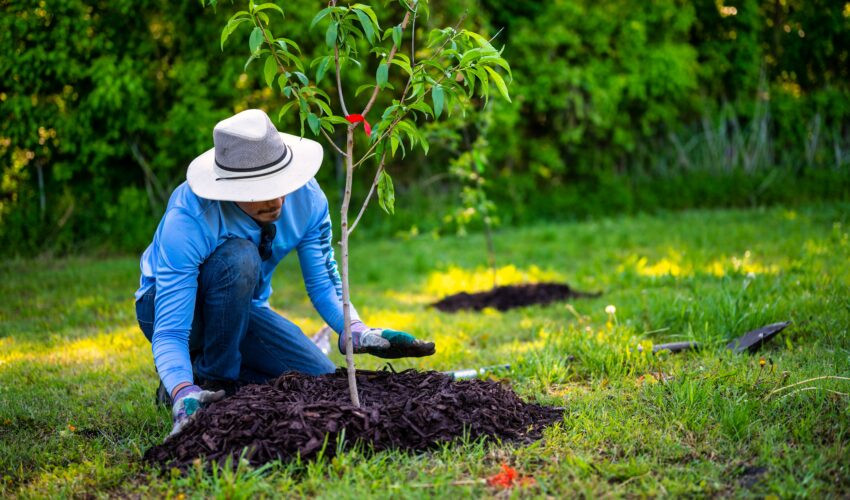
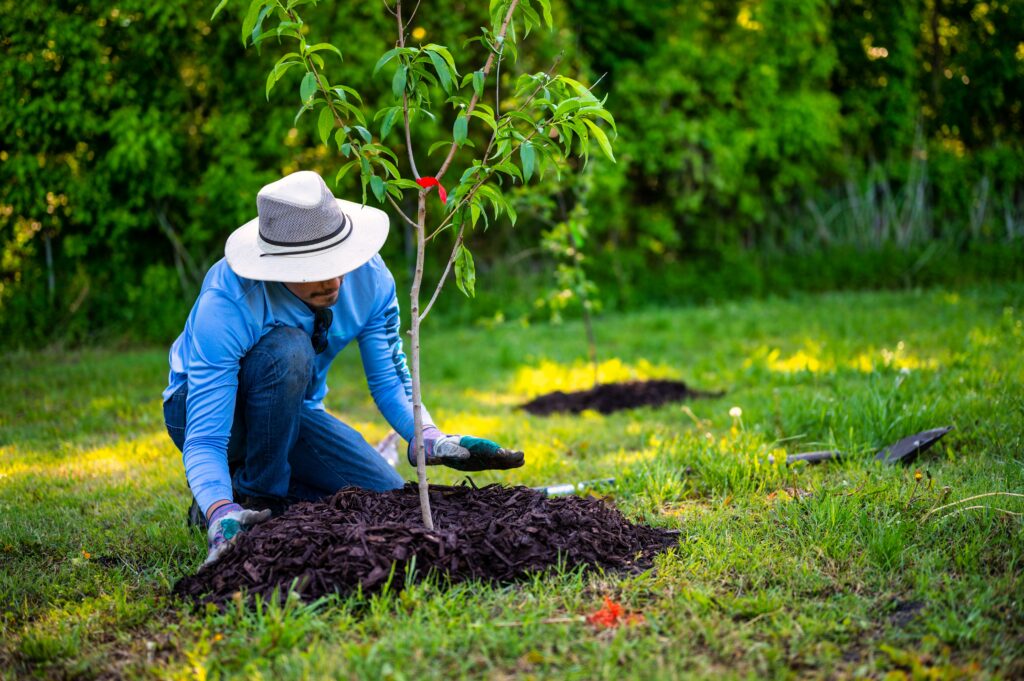
Mulch is one of the simplest ways to help a young tree survive summer.
Applying 2 to 3 inches of mulch around the base of the tree helps:
- Retain soil moisture
- Keep roots cooler
- Reduce weed competition
- Improve soil health over time
Be sure to keep mulch several inches away from the trunk. Mulch piled against the bark can trap moisture and increase the risk of rot and insect problems.
Watch for Signs of Heat Stress
It’s normal for a newly planted tree to experience a little transplant shock, but watch for signs that it may need extra attention.
Common symptoms include:
- Wilting leaves
- Brown or crispy leaf edges
- Premature leaf drop
- Curling leaves
- Slow or limited new growth
Catching these signs early can help prevent long-term damage.
Skip Heavy Fertilizing
Many homeowners assume fertilizer will help a struggling tree, but during the hottest part of summer, too much fertilizer can actually create additional stress.
Instead, focus on consistent watering and healthy soil. Fertilize only if recommended for your specific tree and according to the appropriate season.
Protect Young Tree Trunks
Newly planted trees with thin bark can be susceptible to sunscald and damage from lawn equipment.
Avoid bumping the trunk with mowers or string trimmers, and consider using a tree guard if the tree is planted in an area with frequent foot traffic or maintenance.
Choose Trees That Thrive in North Carolina
The best way to ensure long-term success is to start with trees that are well suited to our local climate.
Native and regionally adapted trees are better equipped to handle Fayetteville’s hot summers, occasional drought, and changing seasons.
Our team at Green Side Up Garden & Gifts can help you choose the right tree based on your property, soil conditions, sunlight, and long-term landscape goals.
Visit Green Side Up Garden & Gifts in Fayetteville, NC
Whether you’re planting your first shade tree or adding new ornamental trees to your landscape, Green Side Up Garden & Gifts is here to help every step of the way.
From healthy, locally grown trees and premium mulch to fertilizers, soils, and expert gardening advice, we have everything you need to help your landscape flourish.
Stop by Green Side Up Garden & Gifts and let our knowledgeable staff help you choose the perfect tree for your yard—and learn how to keep it healthy through every North Carolina season.