

How to Care for Newly Installed Plants in the Fall
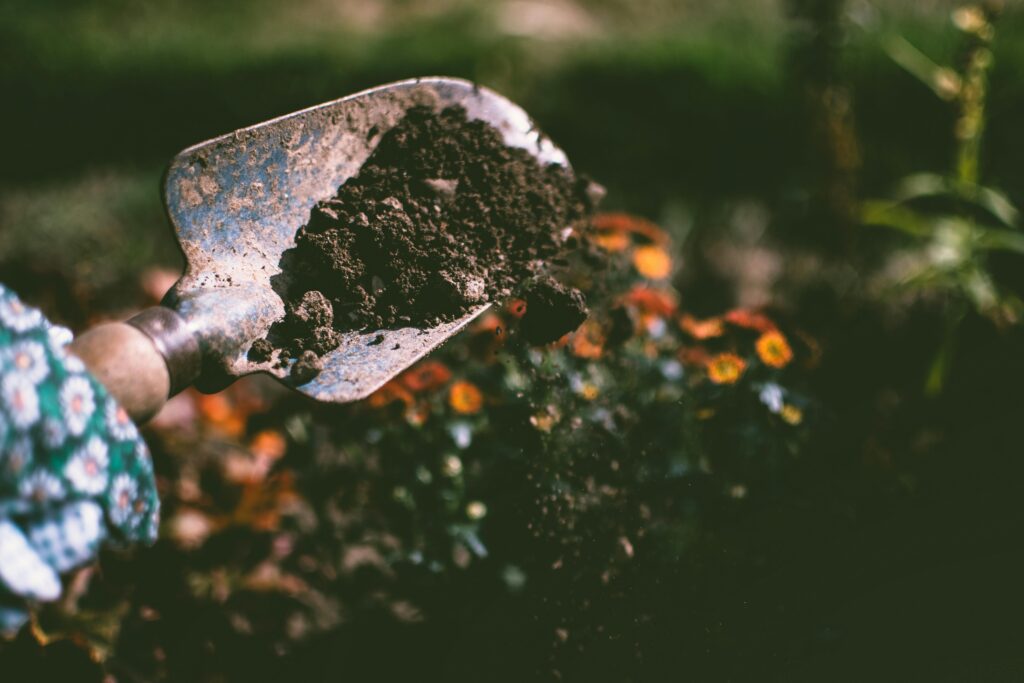
Adding fresh shrubs, trees, or flowers to your Fayetteville landscape in the fall is one of the smartest choices you can make. Cooler weather, warm soil, and less stress on plants mean they get the perfect head start. But even with ideal conditions, new plants need extra care.
Watering: Roots First!
-
In sandy soil, water drains quickly, so new plants often need more frequent watering.
-
For the first few weeks, water deeply 2–3 times per week. After that, transition to once-a-week deep watering unless the weather is especially dry.
-
Always check soil moisture a few inches below the surface — if it feels dry, it’s time to water.
Mulching for Protection
-
Add a 2–3 inch mulch layer around the base of new plants. Mulch keeps roots insulated, holds moisture, and reduces weeds.
-
Avoid “mulch volcanoes” — keep it pulled back a couple of inches from the trunk or stems to prevent rot.
Fertilizing: Less is More
-
Skip heavy fertilizers in fall. Plants should focus on roots, not pushing out new leafy growth that can be damaged by frost.
-
Instead, consider a root stimulator or mild starter fertilizer to encourage underground growth.
Frost Protection for Tender Plants
-
Fayetteville doesn’t usually freeze until later in fall, but it’s smart to be prepared. Keep frost cloths or lightweight sheets on hand to cover small or tender plants if an early frost hits.
By giving your new plants consistent water, mulch, and protection, you’ll help them settle in beautifully. Come spring, they’ll reward you with healthy growth and stronger resistance to summer heat.